What Florida Does to Your Pavers
If you own a home in Fort Myers, Cape Coral, or anywhere in Lee County, your pavers face a unique set of challenges that homeowners in most other states never have to deal with.
Florida's intense UV exposure fades paver color faster than almost any other climate. Combine that with daily humidity, frequent rain, salt air near the coast, and the occasional tropical storm, and you've got a recipe for rapid deterioration. Algae, mold, and mildew thrive in the warm, wet conditions. Weeds push through joint sand. And Florida's sandy soil base can shift and settle, causing pavers to sink or become uneven over time.
The good news: with the right maintenance, pavers can look great and last for decades. It comes down to three main categories of care: sealing, tinting, and restoration.
Paver Sealing: Your First Line of Defense
Sealing is the single most important thing you can do to protect your paver investment. A professional-grade sealer creates a barrier between the paver surface and all the things that break it down: UV rays, rain, oil stains, weed growth, and biological buildup.
What sealing actually does
- UV protection: Slows color fading caused by direct sun exposure, which is relentless in Southwest Florida.
- Stain resistance: Sealed pavers resist oil, rust, leaf tannin, and other common stains far better than unsealed surfaces.
- Weed and insect barrier: Sealer hardens joint sand, making it much harder for weeds to push through and insects to nest.
- Color enhancement: Depending on the sealer type (gloss vs. matte), sealing can deepen and enrich the natural color of your pavers.
- Erosion control: Prevents joint sand from washing out during heavy Florida rain, which keeps pavers stable and level.
Gloss vs. matte sealer
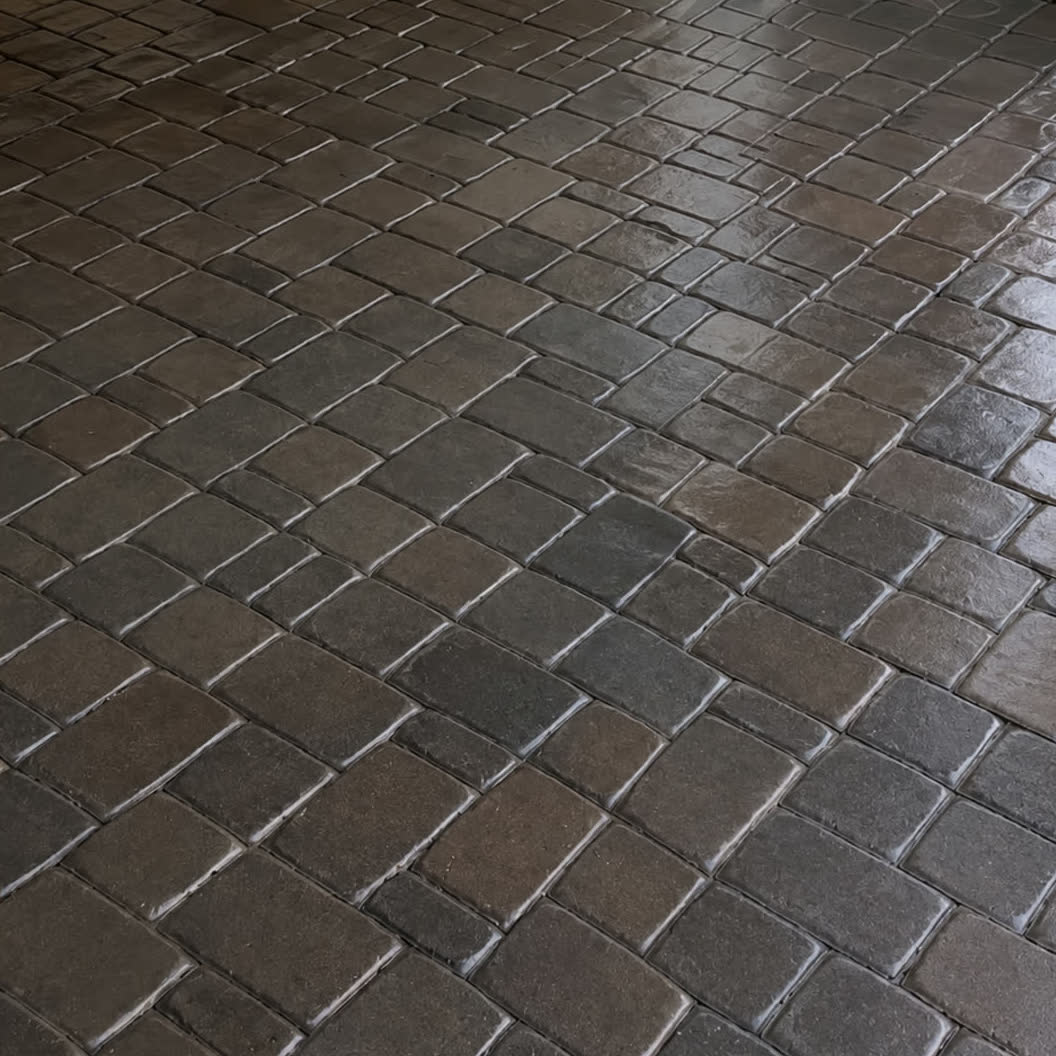
This is one of the most common questions homeowners have. Gloss sealer gives pavers a wet-look sheen that deepens colors dramatically, and it's a popular choice for pool decks and driveways where homeowners want that "just installed" look. Matte (sometimes called satin) sealer provides the same level of protection but with a more natural, understated finish. Neither is better; it's purely an aesthetic preference.
How often should pavers be sealed?
In Southwest Florida, most professionals recommend resealing every 2–3 years. Pool decks and driveways that get heavy sun exposure or high foot/vehicle traffic may need attention closer to the 2-year mark. A good indicator: when water stops beading on the surface and starts soaking in, it's time to reseal.
Tip: After sealing, wait at least 24 hours before walking on pavers and 48–72 hours before driving on them. Florida's heat actually helps the curing process, but patience pays off for the best result.
What the Sealing Process Looks Like
A proper sealing job isn't just rolling sealer onto pavers. Here's what the full process involves:
Deep Pressure Wash
Every inch of the paver surface is pressure washed to remove dirt, mold, algae, and old sealer residue, down to bare paver.
Joint Sand Replacement
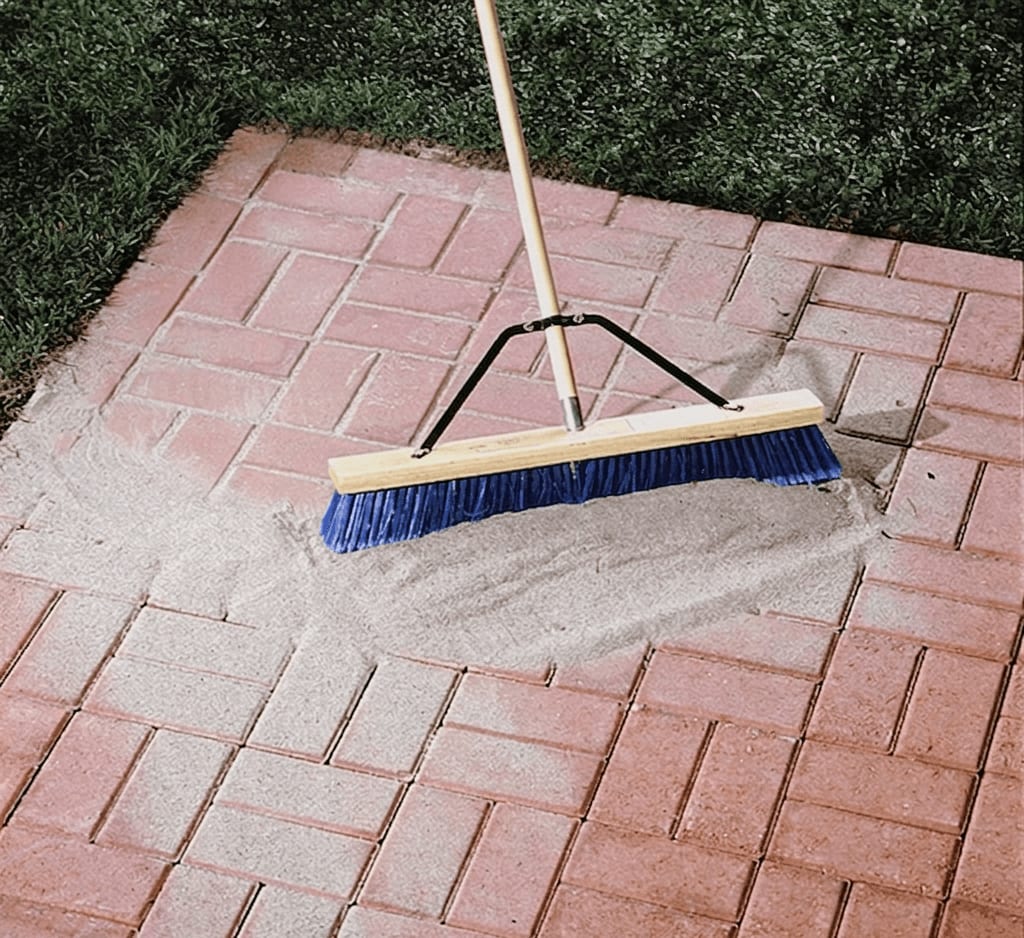
Kiln-dried jointing sand is swept and compacted into every joint — never polymeric, which is the #1 cause of failed paver projects (hazing, staining, and trapped moisture under sealer). The sand we use is locked in by the sealer itself, so joints stay stable, weeds and ants stay out, and pavers don\u2019t shift.
Sealer Application
Professional-grade sealer is applied in even coats for complete, consistent coverage across the entire surface. Tint is added at this stage if requested.
Curing & Inspection
The sealer needs time to fully cure. A final walkthrough ensures complete coverage and catches any areas that need a touch-up.
Paver Tinting: Changing Color Without Replacement
One of the least-known options available to homeowners is paver tinting: the ability to change or restore the color of existing pavers without tearing them out and replacing them.
Over years of Florida sun exposure, pavers naturally fade. What was once a rich terracotta or warm tan can become a washed-out, grayish version of itself. Tinting reverses this by applying a colored treatment that bonds directly with the sealer for a durable, long-lasting finish.
How tinting works
Paver tint is applied during the sealing process. It's mixed with or applied alongside the sealer so it bonds into the surface rather than sitting on top. This means it wears at the same rate as the sealer itself and doesn't peel, chip, or flake off.
You can use tinting to restore the original color of faded pavers, deepen existing tones, or go in a completely new direction. It works on driveways, pool decks, patios, and walkways.
Paver color restoration. Drag the slider to compare before and after tinting.
Good to know: Tinting is always done in combination with sealing. The tint bonds with the sealer layer, so you get color restoration and surface protection in one service. It's one of the most cost-effective exterior upgrades you can make.
What colors can you achieve?
The range is wide. Common choices for Florida homes include:
- Earthy tans and warm beiges: Classic and neutral, works with most exterior palettes.
- Warm terracottas and burnt oranges: Traditional Florida look, makes a pool deck feel like a resort.
- Deep charcoals: Modern, dramatic, looks sharp with white or gray exteriors.
- Rich chocolate browns: Warm and premium-looking, popular for driveways.
- Slate grays: Cooler and contemporary, ages well.
The tint is mixed to your specifications, so you're not choosing from a handful of preset options. It's worth looking at physical samples in your actual lighting conditions before committing, as colors shift significantly between indoor lighting and direct Florida sun.
Paver Restoration: Fixing Structural Issues
Sealing and tinting address the surface of your pavers. But what about pavers that have sunk, shifted, cracked, or become a tripping hazard? That's where paver restoration comes in.
Restoration covers the structural side of paver care: the repairs that need to happen before (or instead of) sealing.
Common paver problems in Florida
- Sunken pavers: Florida's sandy soil washes out over time, especially after heavy rains or storms. This causes individual pavers or entire sections to sink below the surrounding surface, creating uneven areas and tripping hazards.
- Cracked or damaged pavers: Heavy vehicles, tree roots, or settlement can crack individual pavers. Damaged pavers don't just look bad; they allow water infiltration that accelerates further damage.
- Shifted or separated pavers: Without proper edge restraints or when joint sand washes out, pavers can shift laterally, creating gaps and uneven surfaces.
- Faded or discolored pavers: Years of UV exposure bleaches color from pavers. While tinting can address surface fading, severely deteriorated pavers may need replacement.
What paver restoration involves
Restoration is tailored to the specific issues with your pavers. It might include re-leveling sunken sections by lifting pavers, correcting the base material, and resetting them. Cracked or broken pavers can be individually replaced without disturbing the surrounding surface. Joint sand replacement, edge restraint repair, and drainage corrections are all part of the process depending on what's needed.
Most restoration jobs can be completed in a single day, and the results are immediately visible. Once structural issues are resolved, sealing (and tinting if desired) can be applied for long-term protection.
When should you actually replace?
There are situations where replacement is the right answer. It's worth knowing what they are so you're not talked into a full tear-out when it isn't needed.
Replacement makes sense when:
- Pavers are physically cracked, shattered, or structurally damaged beyond re-leveling
- There's an underlying drainage problem that has caused the same area to sink repeatedly (until drainage is corrected, any repair is temporary)
- The entire base across a large area has failed, meaning re-leveling isolated sections won't hold
- The pavers themselves are a discontinued style and matching replacements aren't available
These cases are the minority. The more common scenario is isolated settling in one or two areas, with the rest of the surface in good shape, and that's squarely in restoration territory.
Not sure if yours is a restore or replace situation? Send us a photo or give us a call and we'll give you an honest assessment. No commitment, no sales pitch. 239-307-2929.
Watch: Full Paver Sealing Job
See the complete process from pressure wash to finished seal on a Fort Myers driveway. This video shows what a typical paver sealing project looks like from start to finish.